
Achilles
Tendonitis
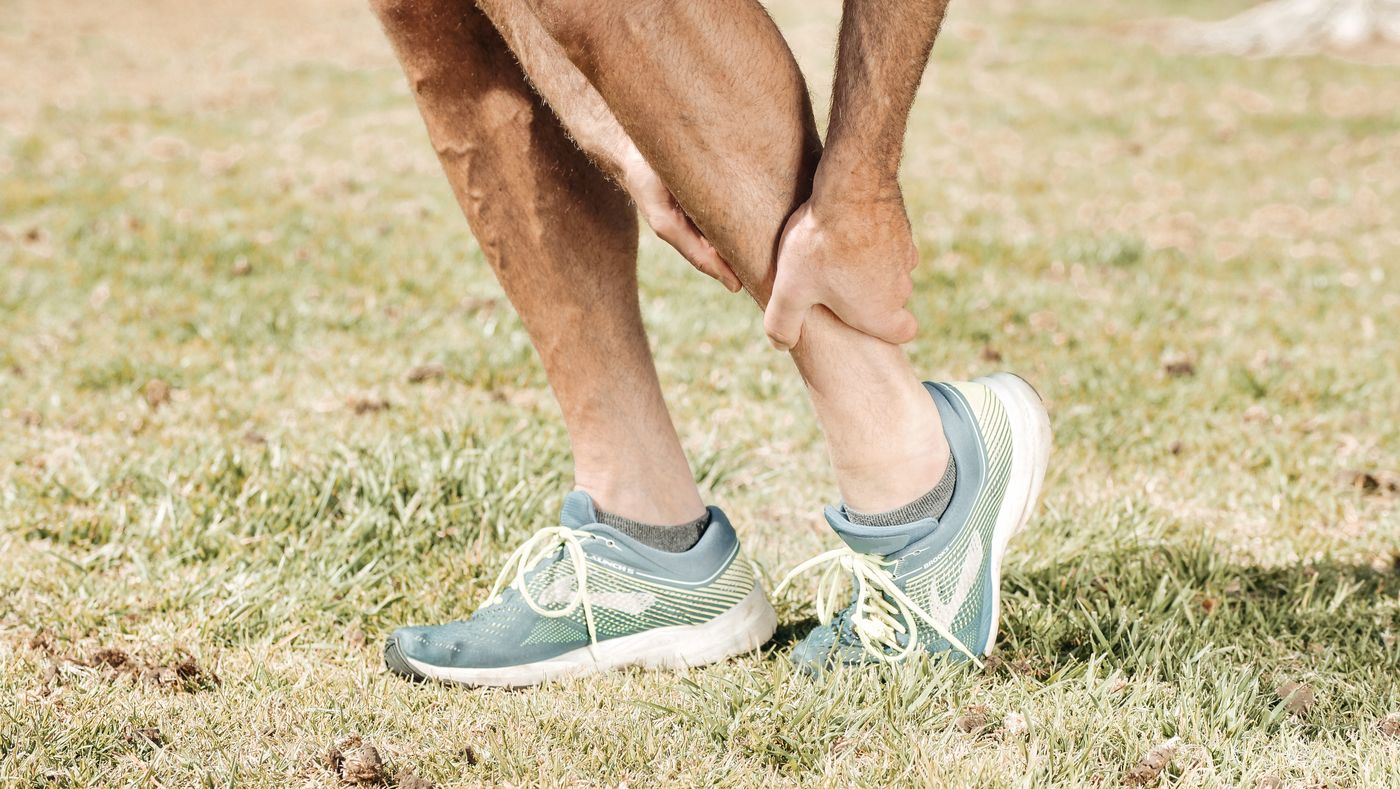
The Achilles tendon bears more load than any other tendon in the body. When it breaks down, it needs more than rest — it needs regeneration. Dr. Katz specializes in non-surgical protocols that rebuild tendon tissue and get you back to full activity.
Recovery
What is Achilles Tendonitis?
The Achilles tendon is the largest and strongest tendon in the human body, connecting the gastrocnemius and soleus calf muscles to the heel bone (calcaneus). With every step, it absorbs and transmits forces up to 11 times your body weight — making it uniquely vulnerable to overuse injury.
Achilles tendonitis describes inflammation and micro-tearing of the tendon fibers, while the broader term tendinopathy encompasses the chronic degenerative changes — fiber disorganization, collagen breakdown, and failed healing — that develop when acute inflammation is not adequately treated. Catching and treating the condition early is critical to preventing progression to a more serious tendinopathy or, in severe cases, a complete rupture.
- Largest tendon in the body — absorbs 11× body weight
- Two distinct types: insertional and mid-substance
- Caused by overuse, tight calves, sudden training changes
- Associated with bone spurs and Haglund’s deformity
- Responds well to shockwave therapy and PRP
- Surgery needed in <20% of properly treated cases
Achilles & Posterior Heel Conditions We Treat
The Achilles-calcaneal complex produces a cluster of related diagnoses. Dr. Katz evaluates and treats the full spectrum — often multiple conditions coexist and must be addressed together.
Insertional vs. Mid-Substance — Why the Distinction Matters
Insertional Achilles tendinopathy affects the bone-tendon junction at the heel and is often accompanied by a Haglund’s deformity or retrocalcaneal bursitis — requiring treatment that also addresses heel bone anatomy. Mid-substance tendinopathy affects the tendon body 2–6 cm above the heel, in an area with poor blood supply, and responds particularly well to shockwave therapy and PRP injection. Misdiagnosing the type leads to ineffective treatment. Dr. Katz uses diagnostic ultrasound at every consultation to precisely identify which segment is involved before recommending a protocol.
Causes & Symptoms
Common Causes
- Sudden increases in training volume or intensity
- Tight or weak calf muscles (gastrocnemius/soleus)
- Transitioning to minimalist or zero-drop footwear
- Hill running, stair climbing, or high-impact sports
- Overpronation and poor foot mechanics
- Inadequate warm-up before activity
- Bone spurs at the Achilles insertion
- Systemic conditions (gout, rheumatoid arthritis, fluoroquinolone use)
Warning Signs & Symptoms
- Pain and stiffness along the back of the heel or lower leg
- Morning stiffness that improves after a few minutes of walking
- Pain that worsens with activity and improves at rest
- Visible or palpable thickening of the tendon
- Swelling and warmth along the tendon
- Tenderness on direct pressure to the tendon
- Reduced ankle range of motion
- Crepitus (crackling sensation) with ankle movement
How Dr. Katz Treats Achilles Tendonitis
Comprehensive Evaluation & Imaging
Dr. Katz performs a thorough biomechanical assessment including gait analysis, range-of-motion testing, and palpation of the tendon. Digital X-rays identify bone spurs or calcific deposits; diagnostic ultrasound provides real-time visualization of tendon fiber integrity, thickness, and neovascularization — critical for staging severity and guiding treatment selection.
Personalized Treatment Plan
No two Achilles injuries are identical. Dr. Katz combines clinical findings with imaging to stage your tendinopathy — acute inflammatory, chronic degenerative, or calcific — and designs a targeted protocol. Most plans begin with the least invasive effective option and escalate only if needed, preserving your ability to stay active throughout.
In-Office Regenerative Treatment
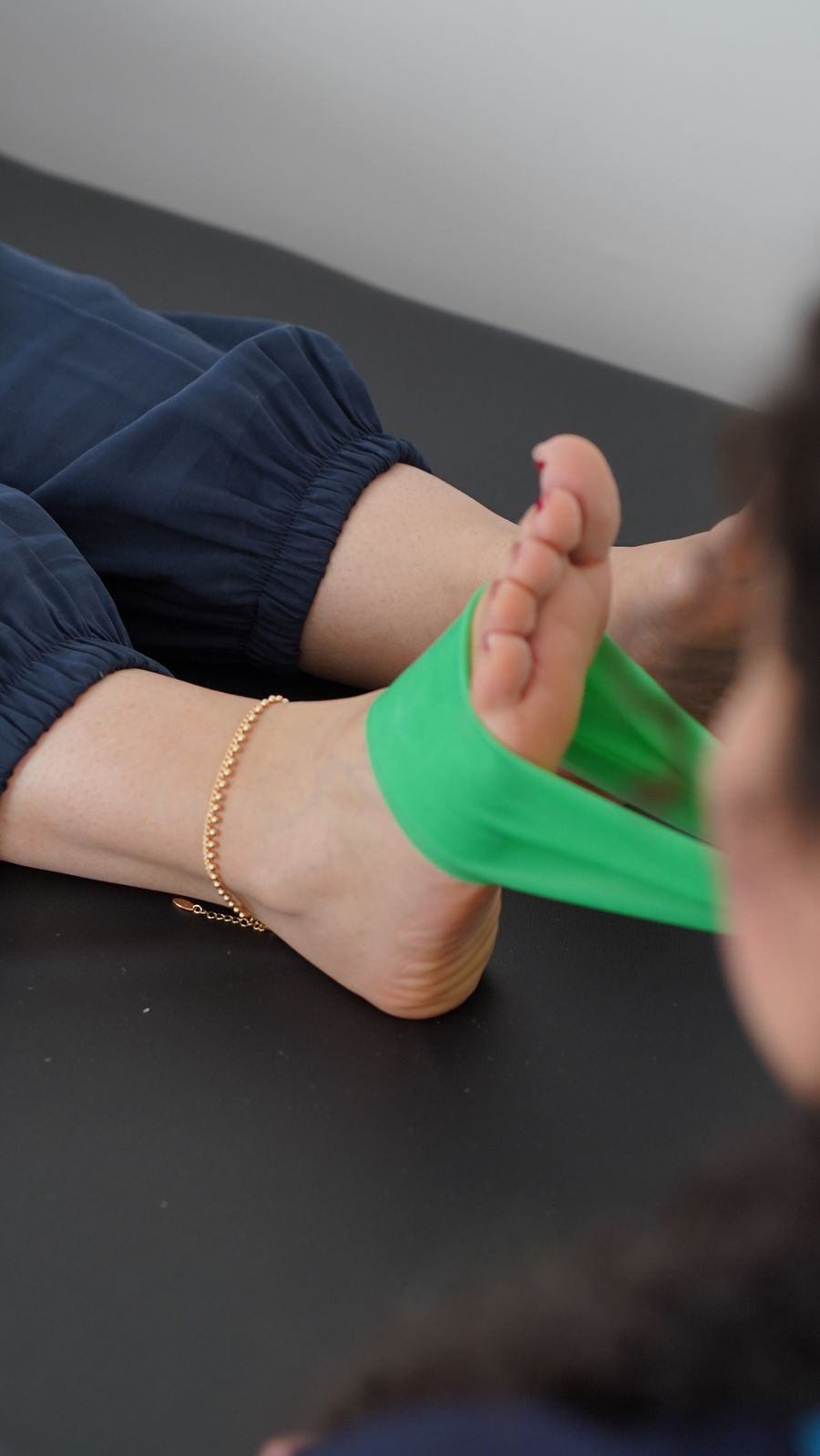
Depending on your stage, treatment may include extracorporeal shockwave therapy (ESWT), ultrasound-guided platelet-rich plasma (PRP) injection, custom orthotic fabrication, night splinting, or targeted physical therapy protocols. Many patients receive their first treatment at the consultation visit itself.
Monitoring & Return to Activity
Dr. Katz schedules follow-up imaging to confirm tendon healing and titrates activity as your tendon remodels. The goal is full, pain-free return to your sport or daily routine — typically 6–12 weeks for mild-to-moderate cases — without surgery, immobilization casts, or prolonged downtime.
Treatments we use for Achilles tendinopathy
Are You a Candidate?
Most patients with Achilles tendinopathy are excellent candidates for non-surgical regenerative care — even those who have struggled with this condition for years.
You may benefit from our program if you have:
- ✓Achilles pain lasting more than 4–6 weeks
- ✓Insertional or mid-substance tendinopathy on imaging
- ✓Visible tendon thickening or swelling
- ✓Failed stretching, PT, or anti-inflammatory medications
- ✓Calcific deposits confirmed on X-ray
- ✓Haglund’s deformity with posterior heel pain
- ✓Desire to avoid cortisone or surgery
Shockwave / PRP is not recommended for:
- ✕Complete Achilles tendon rupture (surgery required)
- ✕Active infection at the treatment site
- ✕Blood clotting disorders or anticoagulant therapy
- ✕Pregnancy
- ✕Active cancer or malignancy in the treatment area
- ✕Pacemaker or implanted electronic devices
Achilles Tendonitis FAQ
What is the difference between Achilles tendinitis and Achilles tendinopathy?
Tendinitis refers specifically to acute inflammation of the tendon, while tendinopathy is a broader term that encompasses the full spectrum of Achilles disorders — including chronic degenerative changes where the tendon fibers become disorganized, thickened, and weakened rather than simply inflamed. The distinction matters clinically because treatments that reduce inflammation (NSAIDs, cortisone) work well in acute tendinitis but can be counterproductive or even harmful in chronic tendinopathy, where the primary problem is failed tendon healing and collagen disarray rather than active inflammation. Dr. Katz uses diagnostic ultrasound to differentiate the two and tailor treatment accordingly. Most patients who have been suffering for months or years have tendinopathy rather than pure tendinitis, which is why regenerative treatments like shockwave therapy and PRP — which stimulate healing rather than suppress inflammation — tend to outperform anti-inflammatory approaches in chronic cases.
What is the difference between insertional and mid-substance Achilles tendinopathy?
The Achilles tendon attaches at the back of the heel bone (calcaneus). Insertional tendinopathy affects the lowest 2 cm of the tendon at this bone attachment and is often associated with Haglund's deformity (a bony prominence on the heel), retrocalcaneal bursitis, and calcific deposits within the tendon. Patients typically report pain precisely at the back of the heel that worsens with low-heel shoes or direct pressure from shoe counters. Mid-substance tendinopathy affects the segment 2–6 cm above the heel bone insertion — an area of relative avascularity that is particularly vulnerable to degenerative change. It produces a painful, often visible and palpable thickening in the tendon body. The two conditions respond somewhat differently to treatment: insertional disease often requires addressing heel bone anatomy, while mid-substance disease responds especially well to eccentric loading programs, shockwave therapy, and ultrasound-guided PRP injection.
Can I keep running with Achilles tendonitis?
The answer depends entirely on the severity and stage of your condition. In mild, early-stage tendinitis, modified activity — reducing mileage, eliminating hills and speed work, switching temporarily to flatter terrain — is often appropriate while treatment begins. Continuing to run through pain, however, risks progressing an inflammatory condition into a more serious degenerative tendinopathy, or worse, causing a partial or complete rupture. Dr. Katz's standard recommendation is to use pain as a guide: activity producing pain above a 3–4 out of 10 during or after exercise should be reduced or paused. After a diagnostic ultrasound confirms there is no structural compromise (fiber tearing, high-grade degeneration), a structured return-to-run program is developed as part of your treatment plan. Most patients are back to full training within 6–12 weeks under this monitored approach.
How does shockwave therapy help Achilles tendonitis?
Extracorporeal shockwave therapy (ESWT) delivers calibrated acoustic pressure waves into the degenerated tendon tissue. The waves produce micro-trauma at the cellular level that triggers the body's own healing cascade — stimulating tenocyte activity, collagen synthesis, and neovascularization (new blood vessel formation). This is particularly valuable in chronic Achilles tendinopathy, where the tendon has essentially failed to heal on its own due to poor local blood supply and disrupted cellular signaling. In addition, shockwave therapy breaks up calcific deposits that accumulate in insertional tendinopathy and desensitizes the local pain receptors, providing both structural repair and pain relief. Multiple randomized controlled trials show ESWT achieving 60–80% long-term success in chronic Achilles tendinopathy, outperforming cortisone injection, which carries a documented risk of tendon weakening and rupture with repeated use.
What role does PRP play in treating Achilles tendinopathy?
Platelet-rich plasma (PRP) is derived from a small sample of your own blood, which is centrifuged to concentrate the platelets — the cells that carry growth factors responsible for tissue repair. When injected under real-time ultrasound guidance directly into the degenerated portion of the Achilles tendon, these growth factors (including PDGF, TGF-β, VEGF, and EGF) stimulate tenocyte proliferation, collagen synthesis, and angiogenesis. PRP is particularly effective in mid-substance tendinopathy where there is high-grade disorganization of tendon fibers identified on ultrasound. At Katz Regenerative Foot & Ankle, ultrasound guidance is used for every PRP injection to ensure precise delivery into the target tissue rather than the surrounding paratenon. PRP is often combined with shockwave therapy for additive effect — shockwave prepares the tissue by disrupting pathological scar matrix, then PRP floods the area with healing growth factors.
When is surgery actually necessary for Achilles tendonitis?
Surgery for Achilles tendinopathy is genuinely a last resort, reserved for a minority of patients who have failed an extended course (typically 6+ months) of well-executed conservative and regenerative care. Surgical indications include complete tendon rupture (though even partial ruptures are often managed non-surgically), large calcific deposits that haven't responded to shockwave therapy, severe Haglund's deformity causing mechanical impingement, or irreversible high-grade tendon degeneration confirmed on MRI. When surgery is necessary, modern techniques including minimally invasive tendon debridement, gastrocnemius recession, and calcaneal ostectomy offer good outcomes. That said, the majority of Achilles tendinopathy patients — including those who have suffered for years — can achieve excellent results without surgery through the combination of advanced diagnostic imaging, shockwave therapy, PRP, and a structured rehabilitation program supervised by Dr. Katz.
Often combined with Achilles care
Related Treatments
Achilles pain is treatable without surgery.
Book a consultation with Dr. Katz. He will review your imaging, precisely diagnose your tendon, and build a regenerative treatment plan designed to get you back to full activity — without cutting corners or jumping to surgery.