
Fungal Nail
Treatment
The Lunula laser clears fungal nail infections without pain, oral medications, or downtime — restoring clear, healthy nails with four quick 12-minute sessions.
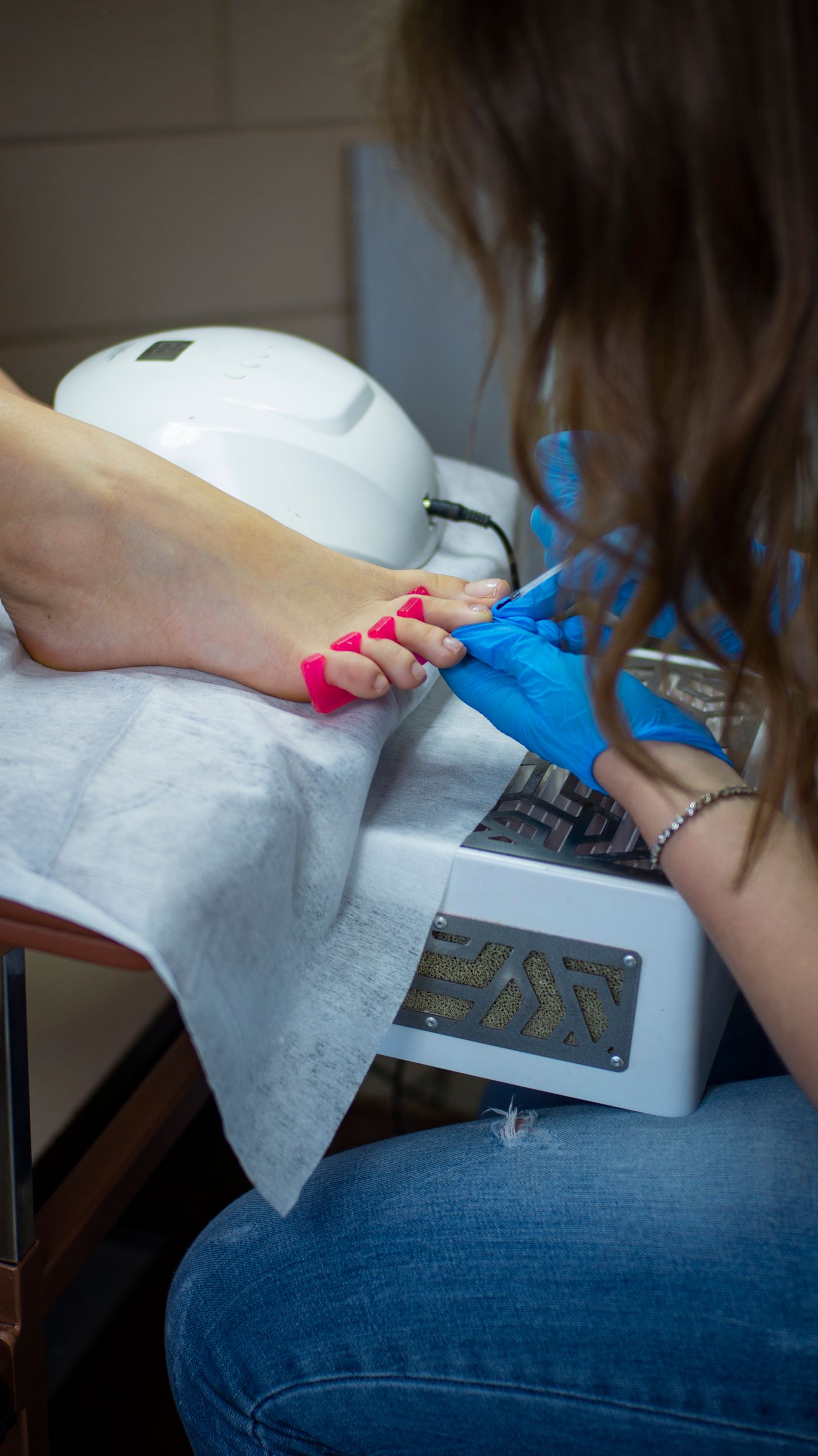
Sessions
What is Fungal Nail Infection?
Onychomycosis is a fungal infection of the nail plate and the skin beneath it. The same family of dermatophytes that causes athlete’s foot can invade the toenail through tiny separations at the nail edge, proliferating in the warm, dark, moist environment under the nail plate — where topical creams rarely penetrate effectively.
The infection begins as a small white, yellow, or brown discoloration spot, typically near the free edge of the nail. Without treatment, it spreads proximally toward the cuticle, causing progressive thickening, crumbling, subungual debris, and in advanced cases complete nail detachment. It will not resolve on its own.
- Caused by dermatophytes, yeasts, or non-dermatophyte molds
- Affects an estimated 10–14% of adults in the US
- Spreads from nail to nail without treatment
- Often co-exists with or originates from athlete’s foot
- Poses serious secondary infection risk in diabetic patients
- Responds well to the Lunula dual-wavelength laser protocol
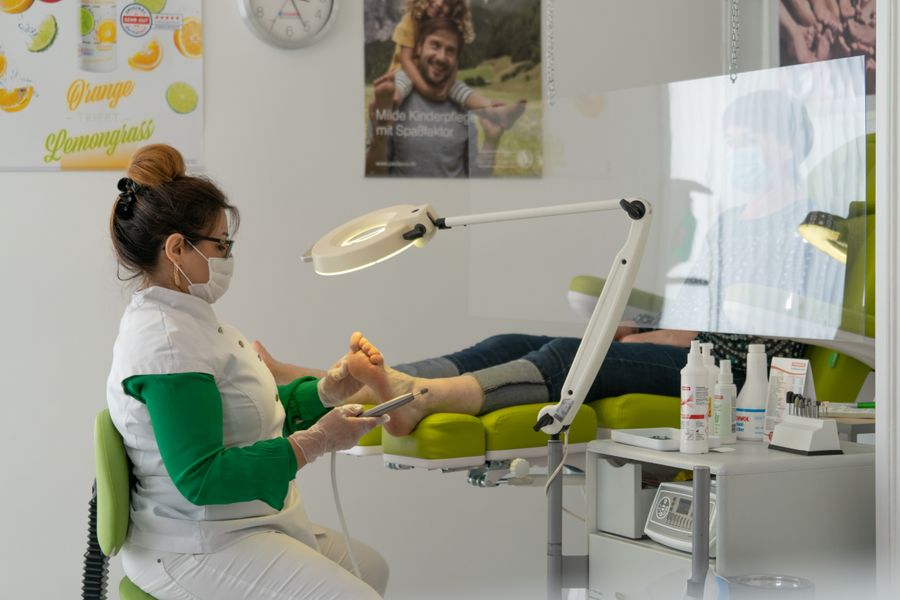
Signs We Treat
Fungal nail infections present across a spectrum — from subtle early discoloration to advanced nail destruction. All stages benefit from professional treatment.
Onychomycosis — The Most Under-Treated Nail Condition
Most patients live with fungal nail infections for years before seeking treatment — often because they assume it’s purely cosmetic, or because they’ve tried over-the-counter antifungal polishes without success. The reality is that topical OTC products cannot penetrate the nail plate to reach the fungal colony beneath, and oral medications carry risks that many patients want to avoid. The Lunula laser delivers treatment directly to the infection site without either limitation — painlessly, safely, and in just four visits. Early treatment prevents spread to adjacent nails and eliminates the risk of secondary bacterial infection.
How Lunula Laser Treatment Works
Comprehensive Nail Evaluation
Dr. Katz examines each affected nail, reviews your medical history, and may collect a nail clipping for laboratory culture to confirm the fungal species involved. This ensures treatment is targeted and effective.
Lunula Laser Positioning
You sit comfortably while the Lunula laser device is positioned over the affected toes. No anesthesia is needed — the low-level laser is completely painless. Each nail receives a precisely calibrated 12-minute treatment cycle.
Laser Treatment Delivery
Two separate laser wavelengths work simultaneously: one disrupts the fungal cell membrane while the other stimulates the nail matrix to produce healthier, clearer nail tissue. You may feel a mild warming sensation — nothing more.
Same-Day Return to Activity
Walk out immediately after each session. There is no downtime, no wound care, and no restrictions. Most patients complete four sessions spaced one to two weeks apart. New, healthy nail growth is typically visible within 3–6 months as the nail plate grows out.
Are You a Candidate?
Lunula laser therapy is safe for the vast majority of patients, including those who cannot tolerate oral antifungal medications.
Good candidates typically have:
- ✓Yellow, brown, or white nail discoloration
- ✓Thickened, crumbling, or brittle toenails
- ✓Dark debris collecting under the nail
- ✓Nail partially or fully detaching from the bed
- ✓History of athlete's foot on the same foot
- ✓Previous treatment failures (topical, oral, or other laser)
- ✓Diabetes, liver disease, or polypharmacy (oral meds not suitable)
- ✓Desire to avoid systemic medications entirely
Treatment may need to be modified for:
- ✕Active open wounds or ulcerations near the nail
- ✕Psoriatic nail changes (requires differential diagnosis)
- ✕Certain photosensitizing medications (discuss at consult)
- ✕Pregnancy (conservative management preferred)
- ✕Suspected malignancy under or around the nail
Fungal Nail Treatment FAQ
What exactly is onychomycosis and how common is it?
Onychomycosis is a fungal infection of the nail plate and the skin directly beneath it (the nail bed). It is caused by dermatophytes — the same family of fungi responsible for athlete's foot and ringworm — though yeasts and non-dermatophyte molds can also be responsible. It is one of the most common nail disorders seen in podiatric medicine, affecting an estimated 10–14% of the general population and up to 50% of adults over age 70. Left untreated, the infection almost never resolves on its own and can spread from nail to nail, to the surrounding skin, and — in patients with diabetes or poor circulation — pose a serious risk for secondary bacterial infection, cellulitis, and even ulceration. Early treatment is always preferable to waiting for the infection to worsen.
How is the Lunula laser different from oral antifungal medications?
Oral antifungal medications such as terbinafine (Lamisil) and itraconazole (Sporanox) require 6–12 weeks of daily dosing and carry real risks: liver toxicity, drug interactions, and gastrointestinal side effects. Patients on certain cardiac medications or with pre-existing liver disease may not be candidates at all. The Lunula laser, by contrast, delivers its dual-wavelength light energy directly through the nail plate to the fungal colony without systemic exposure. There is no liver risk, no drug interaction concern, and no need for blood monitoring. Clinical studies show mycological cure rates comparable to oral therapy — with a safety profile that makes it appropriate even for patients with diabetes, kidney disease, or polypharmacy. For patients who simply prefer to avoid daily medication, the laser is a compelling alternative.
How many Lunula laser sessions will I need and how far apart?
The standard protocol is four sessions spaced one to two weeks apart. Each session is 12 minutes per foot (or per affected toe cluster, depending on the spread). Dr. Katz will assess your nails after the initial course and may recommend a maintenance session or two if the infection was extensive or if multiple nails were severely involved. Patience is essential: because nails grow slowly — roughly 1.5 mm per month for toenails — it takes 9–12 months for the great toenail to fully grow out. You will begin to see a clear, healthy nail root emerging from the cuticle within 3–6 months, and that new growth is what indicates the infection has been cleared. The existing discolored nail plate grows out and is trimmed away over time.
Does the laser treatment hurt?
The Lunula laser is classified as a low-level (cold) laser, which means it does not generate heat intense enough to cause pain, burning, or tissue damage. Most patients describe feeling a mild warmth or a faint tingling under the nail during treatment — some patients feel nothing at all. There are no needles, no incisions, and no anesthesia required. This makes it an excellent option for patients who have anxiety about medical procedures or who have peripheral neuropathy and impaired sensation. You can drive yourself to and from each appointment and return to work, the gym, or daily activities immediately afterward.
Why is my fungal nail infection coming back after previous treatments?
Recurrence is the most frustrating aspect of onychomycosis management. Even after successful treatment — whether topical, oral, or laser — the fungus can be reintroduced from environmental sources: contaminated shoes and socks, public locker rooms, shared nail tools, or reinfection from untreated athlete's foot on the same foot. At Katz Regenerative Foot & Ankle, we address this comprehensively: we treat all affected nails (not just the most visible ones), recommend antifungal shoe spray for your footwear, counsel on proper moisture management, and — where athlete's foot is co-present — treat that simultaneously. We also discuss lifestyle adjustments such as changing shower socks, replacing old footwear, and drying between the toes carefully after bathing. Without addressing the environmental reservoir, even the best laser treatment can be undermined.
When should I start treatment — is my case too mild or too severe?
There is no case that is too mild to treat. Even early-stage onychomycosis — a small white or yellow spot at the nail tip — will not resolve without intervention, and the longer it goes untreated, the deeper the fungus penetrates beneath the nail plate, making treatment progressively more difficult. Conversely, no case is too severe to benefit from laser therapy: advanced infections with significant nail thickening, crumbling, and subungual debris are common presentations in our clinic, and while they require diligent follow-up and sometimes nail debridement before laser sessions, they respond well to the Lunula protocol. If you have diabetes or compromised circulation, please do not delay — fungal nail infections can create a portal of entry for bacterial infection that escalates quickly. Dr. Katz will assess severity at your first visit and outline a realistic timeline for your specific case.
Often addressed alongside fungal nails
Related Treatments
Ready to restore clear, healthy nails?
Book a fungal nail evaluation. Dr. Katz will examine each affected nail, confirm the diagnosis, and walk you through the Lunula laser protocol — so you know exactly what to expect and when you'll see results.