
Plantar
Fasciitis
Stabbing heel pain that's worst with your first steps in the morning. Dr. Katz specializes in resolving plantar fasciitis without surgery — using shockwave therapy, PRP, and precision orthotics to eliminate the root cause, not just mask the pain.
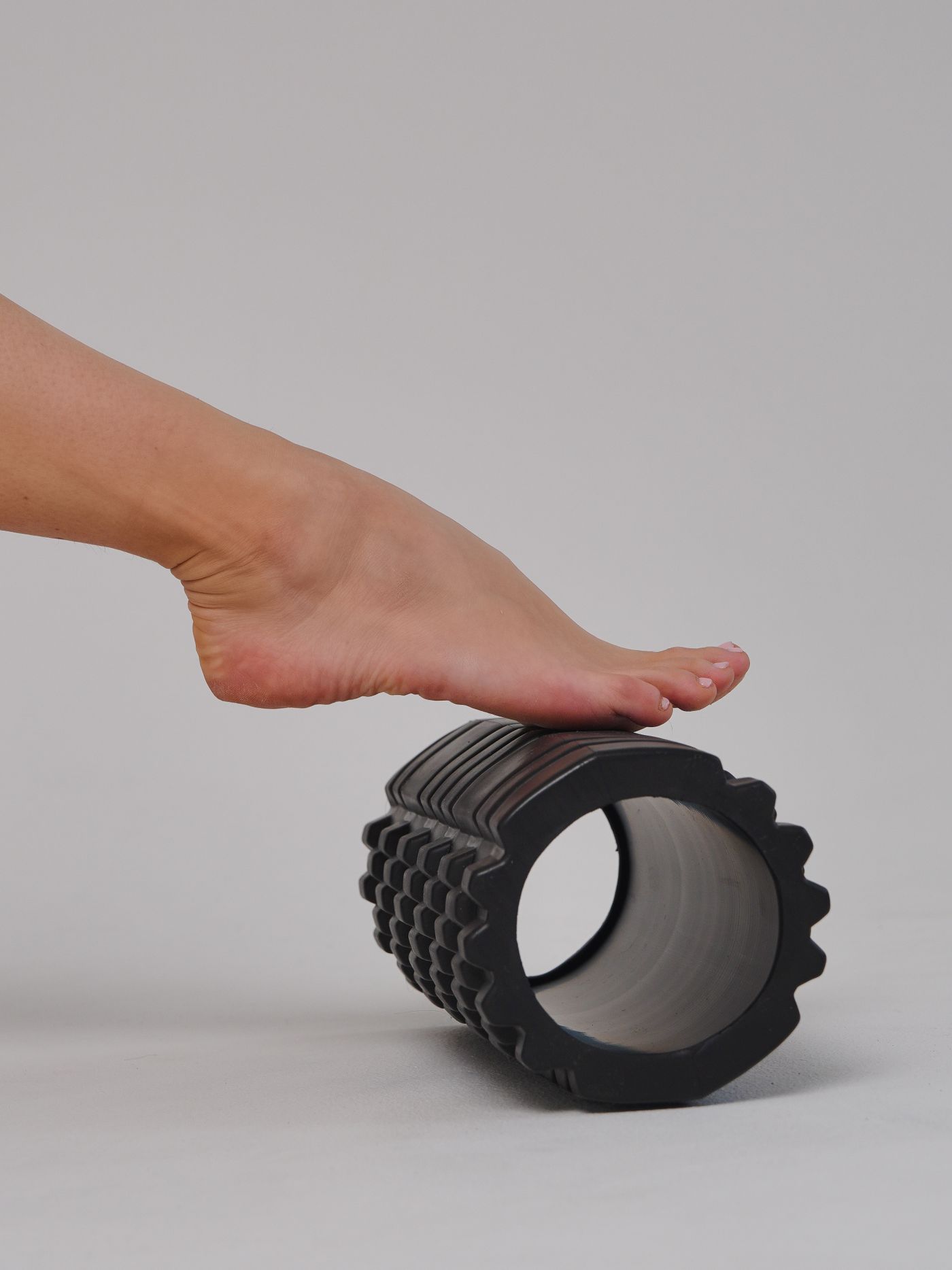
Without Surgery
What is Plantar Fasciitis?
Plantar fasciitis is the inflammation of the plantar fascia — a thick band of connective tissue that runs along the sole of your foot from your heel bone to the base of your toes. It acts as a natural shock absorber and supports the arch with every step.
When repetitive stress overloads this tissue, microscopic tears accumulate at the heel attachment, triggering an inflammatory response. The result is the classic stabbing pain on the bottom of the heel — worst with the first steps of the morning or after prolonged sitting, and often accompanied by burning, aching, and stiffness throughout the day.
- Most common cause of heel pain in adults
- Affects over 2 million Americans each year
- Diagnosable with ultrasound imaging in-office
- 90% of cases resolve without surgery
- Responds well to shockwave therapy and PRP
- Custom orthotics address the biomechanical root cause
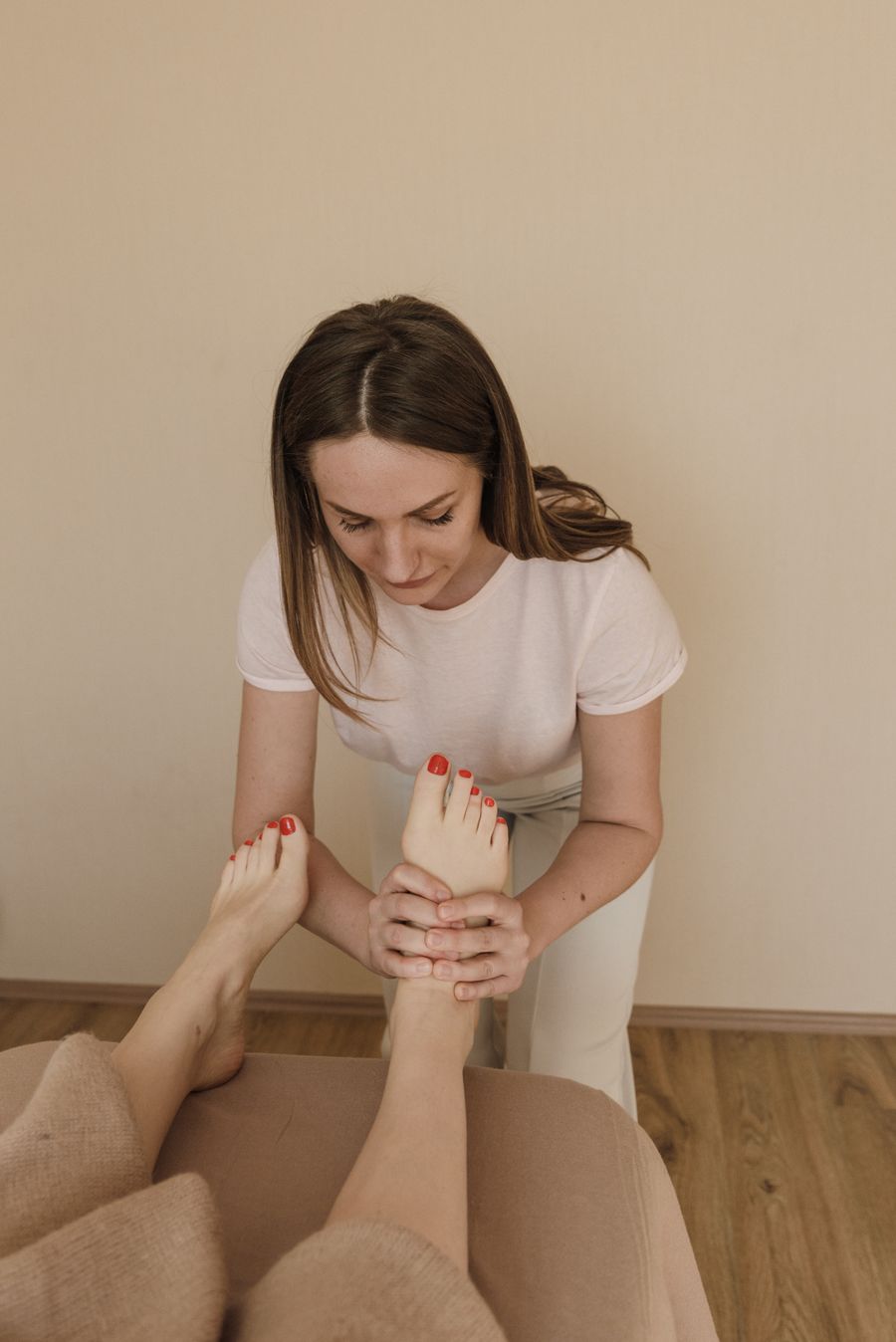
Forms of Heel & Arch Pain
Plantar fasciitis presents differently depending on foot type, activity level, and how long the condition has been developing. We treat the full spectrum.
Who is Most at Risk?
Plantar fasciitis disproportionately affects runners and athletes who rapidly increase training volume, people who spend long hours on hard floors (teachers, nurses, warehouse workers), adults between ages 40 and 60, individuals carrying excess body weight, and anyone with flat feet, high arches, or a tight Achilles tendon. Worn-out footwear without adequate arch support is among the most common contributing factors across all patient groups. If you recognize yourself in any of these descriptions and have heel pain, a diagnostic ultrasound can confirm the diagnosis within a single office visit.
How We Treat Plantar Fasciitis
A step-by-step process that starts with the most conservative option and escalates intelligently — so you never have more treatment than you need.
Comprehensive Evaluation
Dr. Katz reviews your full history — duration of pain, activity level, prior treatments, footwear habits — and conducts a hands-on biomechanical examination. Weight-bearing X-rays and diagnostic ultrasound are ordered as needed to identify heel spurs, fascial thickening, or tears.
Personalized Treatment Plan
No two cases of plantar fasciitis are the same. Dr. Katz combines findings from imaging, gait analysis, and your lifestyle goals to build a treatment sequence — typically starting with the least invasive option and escalating only if needed. Options include stretching protocols, custom orthotics, ESWT shockwave therapy, and PRP injections.
In-Office Treatment
Most plantar fasciitis treatments are performed right in our Coral Gables office. Shockwave sessions take 20–25 minutes with no anesthesia. PRP injections are guided by real-time ultrasound for precise delivery into the damaged fascial tissue. Custom orthotics are fabricated from a 3D digital scan of your foot.
Recovery & Long-Term Prevention
Dr. Katz provides a structured home-care protocol — targeted stretching, activity modification, and footwear guidance — to support healing and prevent recurrence. Follow-up ultrasound imaging confirms fascial healing. Most patients achieve lasting resolution within 3–6 months of beginning treatment.
Signs You Should Be Evaluated
Plantar fasciitis is highly treatable — but it worsens without intervention. The sooner it’s diagnosed, the faster and easier the recovery.
Come in if you have:
- ✓Stabbing heel pain on your first steps in the morning
- ✓Pain on the bottom of the heel or arch
- ✓Discomfort that improves with walking but returns after rest
- ✓Heel pain that has lasted more than 4–6 weeks
- ✓Pain after running, walking, or prolonged standing
- ✓Previously diagnosed heel spur visible on X-ray
- ✓Tried stretching or insoles without lasting relief
Additional warning signs:
- !Pain worsening over weeks or months despite rest
- !Swelling or bruising around the heel
- !Pain that radiates up into the calf or Achilles
- !Difficulty walking without a limp
- !Heel pain affecting your sleep or quality of life
- !Recent sharp increase in running mileage or activity
Plantar Fasciitis FAQ
What exactly is the plantar fascia and why does it become inflamed?
The plantar fascia is a thick band of connective tissue that runs along the sole of your foot, connecting your heel bone (calcaneus) to the base of your toes. It acts like a bowstring, supporting the arch and absorbing the mechanical shock of every step you take. When repetitive stress — from running, prolonged standing, sudden increases in activity, or improper footwear — exceeds the tissue's ability to recover, microscopic tears accumulate at the fascial insertion on the heel. The body's inflammatory response to these micro-injuries causes the characteristic burning, stabbing pain. Over time, if the cycle of stress and incomplete healing continues, the condition can transition from acute inflammation to chronic degenerative fasciopathy, where the tissue becomes thickened, disorganized, and persistently painful even with rest.
Why is the pain worst with the first steps in the morning?
This "first-step pain" is the hallmark symptom of plantar fasciitis and results from a predictable biomechanical sequence. While you sleep, your foot naturally points slightly downward (plantarflexion), shortening the plantar fascia. The micro-tears in the fascia begin to knit together overnight in this shortened position. When you stand and take your first steps, the fascia is suddenly stretched to full length — re-tearing the fragile new tissue and triggering an acute pain response. After walking for a few minutes, the tissue warms up and loosens, which is why the pain often improves. A similar pattern recurs after prolonged sitting. Sleeping in a night splint that keeps the foot at 90 degrees can dramatically reduce this morning pain by allowing the fascia to heal in a lengthened position.
How long does plantar fasciitis last without treatment?
Plantar fasciitis is notoriously slow to self-resolve. Without any intervention, studies show that most patients experience symptoms for 12–18 months on average — and a meaningful subset never fully recover without medical treatment. The condition often becomes self-perpetuating: pain discourages activity, reduced activity weakens the intrinsic foot muscles that normally protect the fascia, and the weakened support structure makes re-injury more likely. Early treatment dramatically shortens recovery. Patients who begin a structured treatment program within the first 3 months of symptoms typically respond within 8–12 weeks. Chronic cases (pain lasting more than 6 months) are more resistant to conservative care and more likely to require advanced interventions such as shockwave therapy or PRP.
What are my non-surgical treatment options?
The good news is that the vast majority of plantar fasciitis cases — approximately 90% — resolve without surgery when treated with the right combination of non-surgical therapies. At Katz Regenerative Foot & Ankle, we offer a full spectrum of evidence-based, non-surgical options. First-line treatment typically includes a targeted stretching and strengthening program (focusing on the Achilles, calf, and intrinsic foot muscles), custom prescription orthotics fabricated from a 3D digital scan of your foot, activity modification, and appropriate footwear guidance. When conservative care is insufficient, we escalate to advanced regenerative interventions: extracorporeal shockwave therapy (ESWT), which uses acoustic pressure waves to break up scar tissue and stimulate tissue regeneration with an 80% long-term success rate for chronic plantar fasciitis; and platelet-rich plasma (PRP) therapy, where a small sample of your own blood is processed to concentrate growth factors and re-injected under ultrasound guidance directly into the damaged fascia to accelerate biological repair. Surgery is reserved for the rare case that has failed all of the above.
Is plantar fasciitis the same as a heel spur?
These two diagnoses are closely related but distinct. A heel spur (calcaneal spur) is a bony growth on the underside of the heel bone that can form in response to chronic plantar fascial tension pulling at the heel attachment. Many patients who have plantar fasciitis also have heel spurs visible on X-ray — but interestingly, heel spurs themselves are rarely the direct cause of pain. Studies have shown that approximately half of all people with heel spurs have no pain whatsoever, while painful plantar fasciitis can occur without any spur at all. The pain is caused by inflammation and micro-tearing of the plantar fascia itself, not by the spur physically stabbing tissue. This distinction matters clinically: treatment should target the fascia (stretching, shockwave, PRP, orthotics) rather than the spur. Surgical removal of the spur alone is not indicated and has poor outcomes.
When should I consider shockwave therapy or PRP over conventional treatment?
Both shockwave therapy (ESWT) and platelet-rich plasma (PRP) are indicated when conventional conservative treatment has been appropriately tried for 6–12 weeks and symptoms remain significantly limiting. Specific triggers to consider advanced treatment include: heel pain that prevents normal daily activity despite consistent stretching and orthotic use; ultrasound confirmation of fascial thickening greater than 4mm; failure of cortisone injections to provide lasting relief (or reluctance to use cortisone due to risk of fascial rupture with repeated injections); or a desire to return to running or athletic activity on a defined timeline. ESWT is generally our first-choice advanced intervention because it carries no systemic side effects and has the strongest clinical evidence base for chronic plantar fasciitis. PRP is often combined with ESWT in severe or long-standing cases, or used as a standalone when ESWT alone is insufficient. Dr. Katz will review your imaging and clinical picture and give you an honest recommendation at your consultation.
Often combined with plantar fasciitis treatment
Related Treatments
Ready to end your heel pain for good?
Book a plantar fasciitis consultation. Dr. Katz will perform a diagnostic ultrasound, confirm your diagnosis, and give you an honest, personalized treatment plan — starting with the most conservative option that will work for your case.