
PRP
Therapy
Your own concentrated growth factors — drawn, centrifuged to 9–12× normal platelet levels, and re-injected under ultrasound guidance — to trigger genuine tissue repair where cortisone only masks pain.
Concentration
What is Platelet-Rich Plasma?
Platelet-Rich Plasma (PRP) is a regenerative treatment that concentrates your blood's own healing components — platelets and their growth factors — to levels 9–12× above what circulates naturally. When injected into damaged tissue, this amplified concentration triggers the cellular repair cascade your body uses to heal injuries, only far more powerfully.
Unlike cortisone, which suppresses inflammation without repairing tissue, PRP stimulates genuine collagen synthesis, neovascularization, and cellular regeneration. The result is durable healing — not temporary relief.
- Your own blood — zero risk of rejection or allergy
- EMCYTE FDA-cleared centrifuge system
- 9–12× platelet concentration (vs. standard PRP at 3–5×)
- Real-time ultrasound guidance — no blind injections
- Stimulates collagen, new blood vessels, and cell repair
- Safe for patients who have failed cortisone or PT
Conditions We Treat with PRP
PRP is effective for a wide range of soft-tissue, ligament, and joint conditions — particularly those that haven't responded to cortisone or conservative therapy.
Achilles Tendon Tears — Our Primary PRP Indication
MRI-confirmed partial Achilles tears are one of the most compelling indications for PRP. Traditional management often leads straight to surgical repair — but the Achilles has poor intrinsic blood supply, which is why it heals slowly and why surgery carries significant re-tear risk. PRP directly addresses this by delivering concentrated growth factors and stimulating neovascularization at the injury site. Several of our patients have had planned surgeries cancelled after repeat MRI confirmed complete healing post-PRP.
How PRP Works
From blood draw to injection, the entire in-office procedure takes approximately 45–60 minutes.
Blood Collection
Dr. Katz draws a small vial of your blood from your arm — typically 30–60 mL, which takes about 5 minutes. No special preparation is required beyond stopping certain medications.
Centrifugation
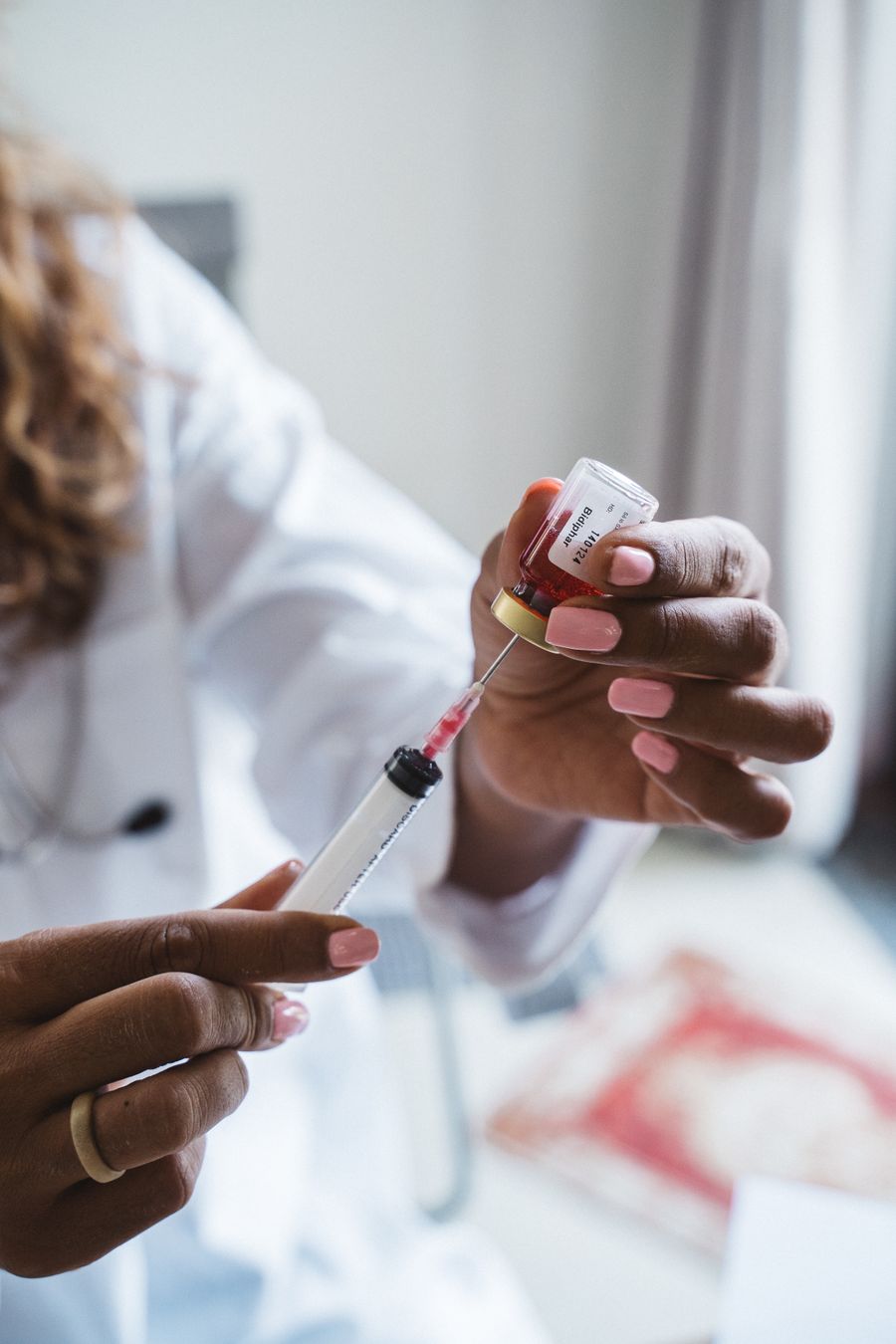
The sample is placed in our FDA-cleared EMCYTE centrifuge and spun at a precise calibrated speed, separating platelets and growth factors from red blood cells and plasma.
Concentration
The resulting plasma contains 9–12× the normal platelet concentration. This amplified level of growth factors is what drives genuine tissue regeneration rather than temporary symptom relief.
Ultrasound-Guided Injection
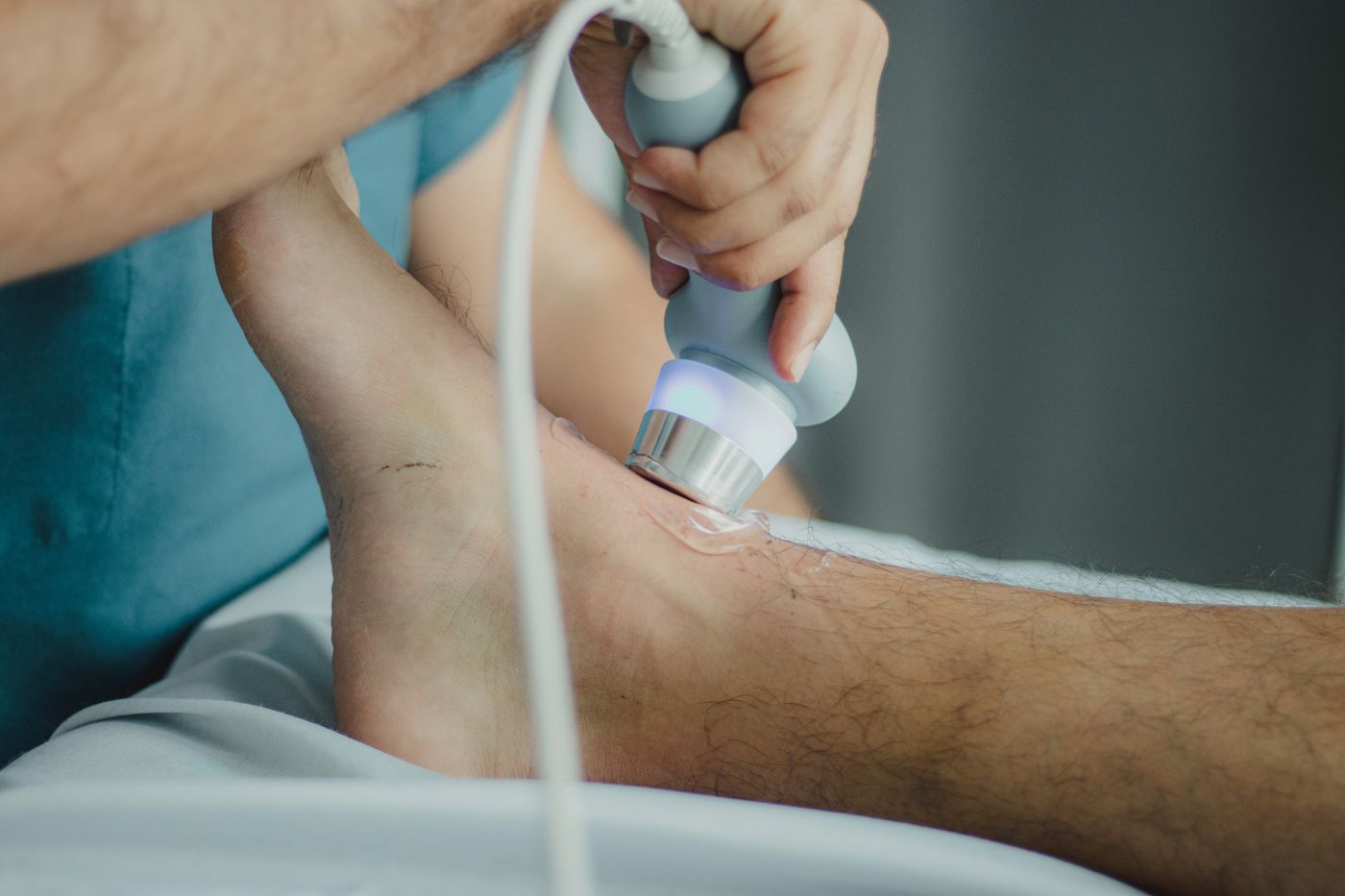
Using real-time ultrasound imaging, Dr. Katz injects the concentrated PRP precisely into the damaged tissue — ensuring the growth factors reach the exact injury site, not just the surrounding area.
Are You a Candidate?
PRP is ideal for patients seeking genuine tissue repair — not just temporary pain relief — and who want to exhaust non-surgical options before considering an operation.
Good candidates typically have:
- ✓Partial tendon tear confirmed on MRI or ultrasound
- ✓Plantar fasciitis not responding to conservative care
- ✓Ankle ligament laxity causing chronic instability
- ✓Early to moderate arthritis (Grade I–II)
- ✓Chronic tendinitis lasting 3+ months
- ✓Pre-surgical optimization goal
- ✓Preference for non-synthetic, non-surgical treatment
PRP is not recommended for:
- ✕Active infection at the injection site
- ✕Blood clotting disorders (Coumadin, Xarelto, Eliquis)
- ✕Platelet dysfunction syndrome
- ✕Severe anemia
- ✕Active malignancy
- ✕Pregnancy
PRP Therapy FAQ
What makes PRP different from a cortisone injection?
Cortisone suppresses inflammation temporarily — it doesn't repair the underlying tissue. PRP contains your own concentrated growth factors (PDGF, TGF-β, VEGF, and others) that trigger genuine collagen synthesis, new blood vessel formation, and cellular repair. Results develop over weeks as the tissue actually heals, and they last because the root cause is addressed.
How many PRP sessions will I need?
Most acute conditions respond well to 1–2 sessions. Chronic conditions — particularly long-standing Achilles tendinopathy or significant ligament laxity — typically benefit from 3 sessions spaced 4–6 weeks apart. Dr. Katz will build a personalized plan at your initial consultation based on your imaging and injury classification.
How long until I feel results from PRP?
PRP works by activating your body's own repair process, which takes time. Most patients begin noticing improvement at 4–6 weeks. Significant relief often arrives between 8–12 weeks. The healing cascade continues for months after injection — which is why PRP produces durable results rather than temporary relief.
Is PRP covered by insurance?
Most insurance plans currently classify PRP as investigational for musculoskeletal conditions and do not cover it. We provide a detailed superbill you can submit for potential partial reimbursement, and our team will review all available options with you. Financing is available.
What should I avoid before and after my PRP injection?
Before: stop anti-inflammatory medications (NSAIDs, aspirin, naproxen) for 7–14 days prior — they interfere with platelet function. After: limit weight-bearing activity for 3–7 days. Avoid ice, heat, and NSAIDs for 4 weeks post-injection. Dr. Katz will provide a personalized post-treatment protocol.
Can PRP help me avoid Achilles surgery?
For partial Achilles tendon tears and insertional tendinopathy, PRP has helped many of our patients avoid surgery entirely. MRI-confirmed healing has been documented in cases where orthopedic surgeons had recommended surgical repair. Results depend on tear classification, patient health, and time since injury — Dr. Katz will give you an honest candidacy assessment.
Often combined with PRP
Related Treatments
Ready to let your own body repair the damage?
Book a PRP consultation with Dr. Katz. He will review your imaging, confirm candidacy, and give you an honest assessment of whether PRP is likely to produce lasting results for your specific injury.