
Advanced
Wound Care
Specialized biologic treatment for chronic, non-healing wounds — diabetic foot ulcers, venous leg ulcers, and pressure wounds that conventional dressings cannot close. Dr. Katz delivers FDA-compliant regenerative therapy that restarts healing at the cellular level.
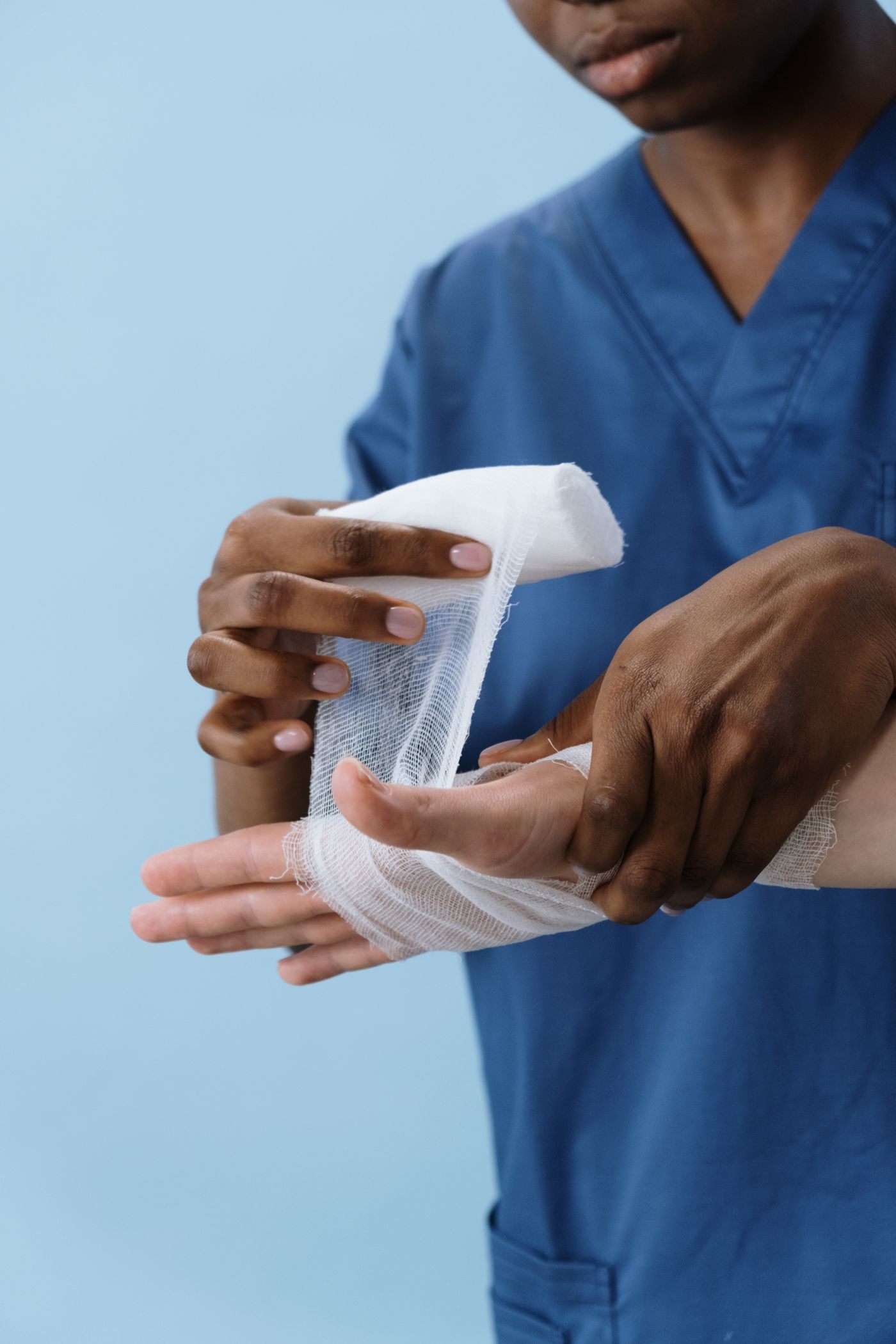
are preventable
What is Advanced Wound Care?
Advanced wound care is a specialized field of medicine focused on chronic wounds — those that fail to heal through conventional treatment within the expected timeframe. Unlike acute wounds that heal predictably through the normal cascade of hemostasis, inflammation, proliferation, and remodeling, chronic wounds become arrested in the inflammatory phase, unable to generate the cellular machinery needed for closure.
At Katz Regenerative Foot & Ankle, Dr. Jordan Katz employs FDA-compliant biologic allografts derived from human placental tissue — including WoundFix™ and BIOVANCE — that deliver extracellular matrix scaffolding, growth factors, and anti-inflammatory cytokines directly into the wound bed, restarting the healing cascade at the cellular level.
- Placental allograft biologics (WoundFix™ · BIOVANCE)
- FDA-compliant tissue processing & safety screening
- Sharp debridement to eliminate biofilm barriers
- Offloading & compression to remove mechanical burden
- Objective wound measurement at every visit
- Coordination with vascular surgery & endocrinology
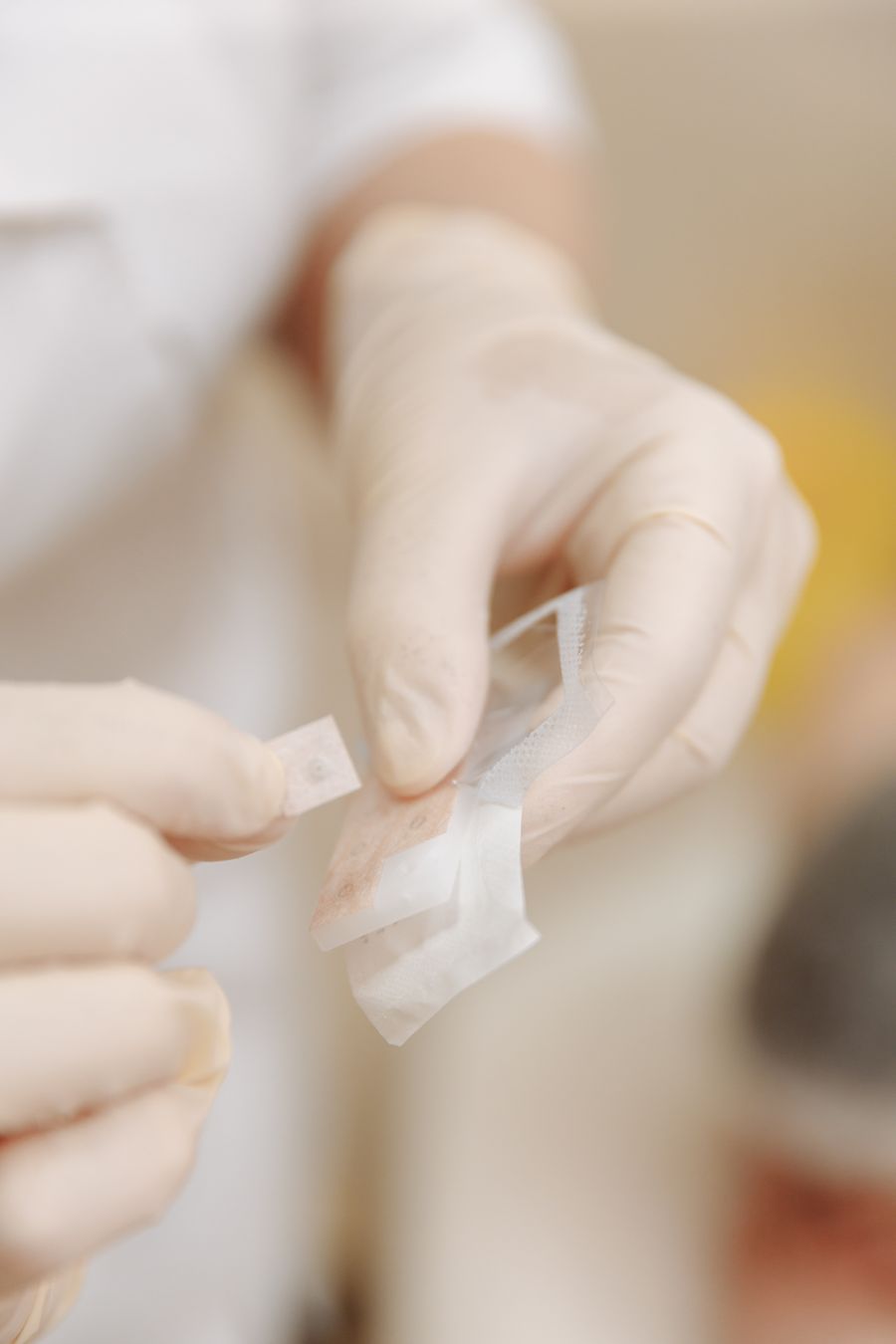
Wound Types We Treat
Our wound care program is designed for chronic and complex wounds of the lower extremity that have not responded to conventional dressings or standard outpatient care.
Diabetic Foot Ulcers — Our Primary Indication
Diabetic foot ulcers (DFUs) are the leading cause of non-traumatic lower extremity amputations in the United States, with 85% of diabetes-related amputations preceded by a foot ulcer. Peripheral neuropathy eliminates the pain warning that would otherwise prompt care, while impaired circulation prevents healing. Early, aggressive intervention with biologic wound care and mechanical offloading can prevent amputation in the vast majority of cases. If you have diabetes and notice any skin breakdown, redness, or open sore on your foot — call us the same day.
Our Wound Care Protocol
Comprehensive Wound Assessment
Dr. Katz performs a full vascular, neurological, and biomechanical assessment along with digital wound photography, ABI measurements, and any necessary imaging to determine wound etiology, staging, and the best treatment path forward.
Wound Bed Preparation
The wound is debrided of necrotic tissue and biofilm, cleansed, and staged. Offloading devices or compression therapy are applied as indicated to remove the mechanical or vascular burden preventing healing.
Biologic & Regenerative Dressing
FDA-compliant biologic allografts — including WoundFix™ placental tissue matrix and BIOVANCE amnion allograft — are applied directly to the wound bed, delivering extracellular matrix scaffolding, growth factors, and cellular signals that restart the body's own healing cascade.
Monitoring & Closure
Wounds are reassessed at every visit with wound-area measurements and photographic tracking. Dressing protocols are adjusted as the wound closes. Most patients achieve significant reduction in wound area within 4–6 weeks and complete closure within 12 weeks.
Who Should Seek Advanced Wound Care?
Advanced wound care is indicated when a wound has not progressed toward closure despite standard treatment — or when the wound involves tissues too compromised for conventional healing.
Seek advanced wound care if you have:
- ✓A wound that hasn't healed after 4+ weeks of standard care
- ✓Diabetes with any open sore or ulcer on the foot
- ✓Chronic venous insufficiency or leg swelling with skin breakdown
- ✓Peripheral artery disease (PAD) with wound complications
- ✓Post-surgical incisions that have dehisced or won't close
- ✓A wound that is increasing in size despite treatment
- ✓Wound-associated infection, odor, or increased drainage
Biologic treatment may be deferred if:
- ✕Active, uncontrolled deep tissue infection (requires antibiotics first)
- ✕Severe arterial insufficiency requiring vascular revascularization
- ✕Wound exposed to active radiation therapy
- ✕Known allergy to human tissue products
- ✕Uncontrolled blood glucose (HbA1c > 12%) — must stabilize first
- ✕Active systemic infection or sepsis
Advanced Wound Care FAQ
What makes a wound 'chronic' and why doesn't it heal on its own?
A wound is classified as chronic when it fails to progress through the normal stages of healing — hemostasis, inflammation, proliferation, and remodeling — within an expected timeframe (typically 4 weeks for acute wounds). Chronic wounds get 'stuck,' most often in the prolonged inflammatory phase. Several factors prevent normal progression: impaired circulation from peripheral artery disease or chronic venous insufficiency means oxygen and nutrients can't reach the wound bed; diabetic neuropathy causes patients to unknowingly continue bearing weight on ulcers, constantly re-injuring them; bacterial biofilm forms a protective shield that resists the immune system and standard antibiotics; and elevated matrix metalloproteinases (enzymes that normally clear debris) remain chronically elevated, breaking down the new collagen and growth factors the body tries to produce. Advanced wound care addresses all of these factors simultaneously — restoring circulation where possible, offloading pressure, eliminating biofilm through debridement, and restarting the healing cascade with biologic allografts that deliver the growth factors a compromised wound environment can no longer generate on its own.
What is a diabetic foot ulcer and how serious is it?
Diabetic foot ulcers (DFUs) are open sores that develop on the feet of people with diabetes, typically on the bottom of the foot under a metatarsal head or on the tips of the toes. They affect approximately 15% of all diabetic patients over their lifetime. The combination of peripheral neuropathy — which eliminates the pain signal that would normally prompt someone to seek care — and impaired circulation creates conditions where small skin breakdowns, pressure points, or minor trauma can develop into deep, serious wounds without the patient ever feeling discomfort. The statistics are sobering: 20–25% of diabetic foot ulcers ultimately lead to lower extremity amputation, and 85% of diabetes-related amputations are preceded by a foot ulcer. DFUs are the single leading cause of non-traumatic amputations in the United States. At Katz Regenerative Foot & Ankle, we treat DFUs with the same urgency as a cardiovascular event — early, aggressive intervention with biologic wound care dramatically reduces amputation risk and preserves limb function. If you or a loved one has diabetes and notices any skin breakdown on the foot, do not wait: call our office the same day.
What are biologic wound dressings and how do they work?
Biologic wound dressings are medical-grade products derived from human or animal tissue — typically placental membranes, amniotic membrane, or extracellular matrix scaffolding — that are processed, sterilized, and FDA-registered for clinical use. Unlike conventional dressings that simply cover a wound and absorb exudate, biologics actively participate in the healing process. Placental allografts such as WoundFix™ and BIOVANCE deliver a rich payload of growth factors (including EGF, PDGF, TGF-β, VEGF), extracellular matrix proteins (collagen, fibronectin, laminin), and anti-inflammatory cytokines directly into the wound bed. This provides the cellular 'building blocks' and signaling molecules that a chronic wound environment has become depleted of. The allograft scaffolding also allows host cells — fibroblasts, keratinocytes, endothelial cells — to migrate across the wound surface and populate the new tissue. All donor material undergoes rigorous FDA-compliant serological and microbiological safety screening prior to processing. Studies show that biologic allografts can reduce time to wound closure by 30–50% compared to standard-of-care dressings alone in diabetic foot ulcers.
How many treatments will I need before my wound heals?
The treatment timeline depends on wound size, depth, duration, and underlying cause — no two wounds are identical. As a general guide: patients are seen weekly or biweekly for the first 4–6 weeks, with new biologic dressings applied at each visit. Most wounds show a measurable reduction in area — typically 30–50% — within the first month if the treatment is working. Complete wound closure for moderate diabetic foot ulcers or venous ulcers is generally achieved within 8–16 weeks. Larger or more complex wounds, or those with significant vascular impairment requiring adjunct vascular procedures, may take longer. Dr. Katz uses standardized wound photography and area measurements at every visit so you can see objective progress. If a wound is not responding to the current protocol by the 4-week mark, the plan is adjusted — we don't continue an approach that isn't producing measurable closure. Healing is a partnership: compliance with offloading devices, blood sugar control, and compression therapy are as important as the biologic dressings themselves.
Is advanced wound care covered by Medicare or insurance?
Advanced wound care, including biologic allografts, is generally covered by Medicare Part B and most major commercial insurance plans when medically necessary criteria are met. Medicare covers biologic wound products (including amniotic membrane allografts) under HCPCS codes for skin substitutes when the patient has a chronic wound that has not responded to a minimum 4-week course of standard wound care. Prior authorization is commonly required for biologic dressings, and our office will handle the insurance verification and authorization process on your behalf before treatment begins. Patients with diabetes, peripheral artery disease, chronic venous insufficiency, or post-surgical wound complications typically meet medical necessity criteria. We will give you a clear picture of your out-of-pocket costs before any treatment is initiated. Please bring your Medicare card, any secondary insurance cards, and a current medication list to your first appointment.
Can my primary care doctor continue managing my wound, or do I need a specialist?
While primary care physicians provide excellent general care, chronic non-healing wounds — particularly diabetic foot ulcers, venous ulcers, and arterial wounds — benefit significantly from specialist management. A board-certified podiatric surgeon with advanced wound care training brings capabilities that change outcomes: the ability to perform sharp debridement and offload biomechanical pressure points; access to FDA-registered biologic allografts and regenerative dressings that require specialist protocols; diagnostic tools including vascular Doppler, ankle-brachial index, and in-office diagnostic imaging to identify the wound's root cause; and the surgical expertise to address the underlying structural problems — hammertoes, prominent metatarsal heads, Charcot deformity — that recurrently ulcerate the same site. Studies consistently show that multidisciplinary wound care led by podiatric specialists reduces amputation rates by 50–80% compared to general management. We coordinate closely with your primary care physician, endocrinologist, and vascular surgeon as needed — specialist wound care complements rather than replaces your existing medical team.
Often combined with wound care
Related Treatments
Don't let a wound rob you of your mobility — or your limb.
Book an advanced wound care consultation. Dr. Katz will assess your wound, determine whether biologic treatment is indicated, and start your personalized healing protocol at the very first visit.